Acupuncture
Acupuncture taps in to the same life force that flows through rivers and shines in the sun. Magic!
Traditional Chinese Medicine
In all medical fields, evidence of effectiveness is important and highly regarded; many traditional medicines have a rich, time-tested legacy. The written history of Chinese medicine spans over two thousand years and explains how to see ourselves as part of an interconnected universe.
This integrated medical approach has been tried and tested for centuries. The theories are explained in many classical texts and are still relevant. The earliest foundational text on Chinese medicine, the Huang Di NeiJing—TheYellow Emperor’s Classic of Internal Medicine, was compiled around 500 BC. For over two millennia, the Chinese medical framework has identified the connections between Nature and physical and psychological functioning. The theories are simple, and yet the applications are deep.
The application of Chinese medicine takes many years to master. There is saying “easy to study, hard to practice”. The strength of TCM is being able to diagnose and provide individualised care based on the unique presentation. This is NOT a ‘one size fits all’ approach to medicine.
Acupuncture
Acupuncture is one of the 8 limbs of Chinese medicine which include: Food therapy, Herbal Medicine, Massage, Exercise (Qigong and Tai Chi), Meditation, Astrology, and Feng Shui.
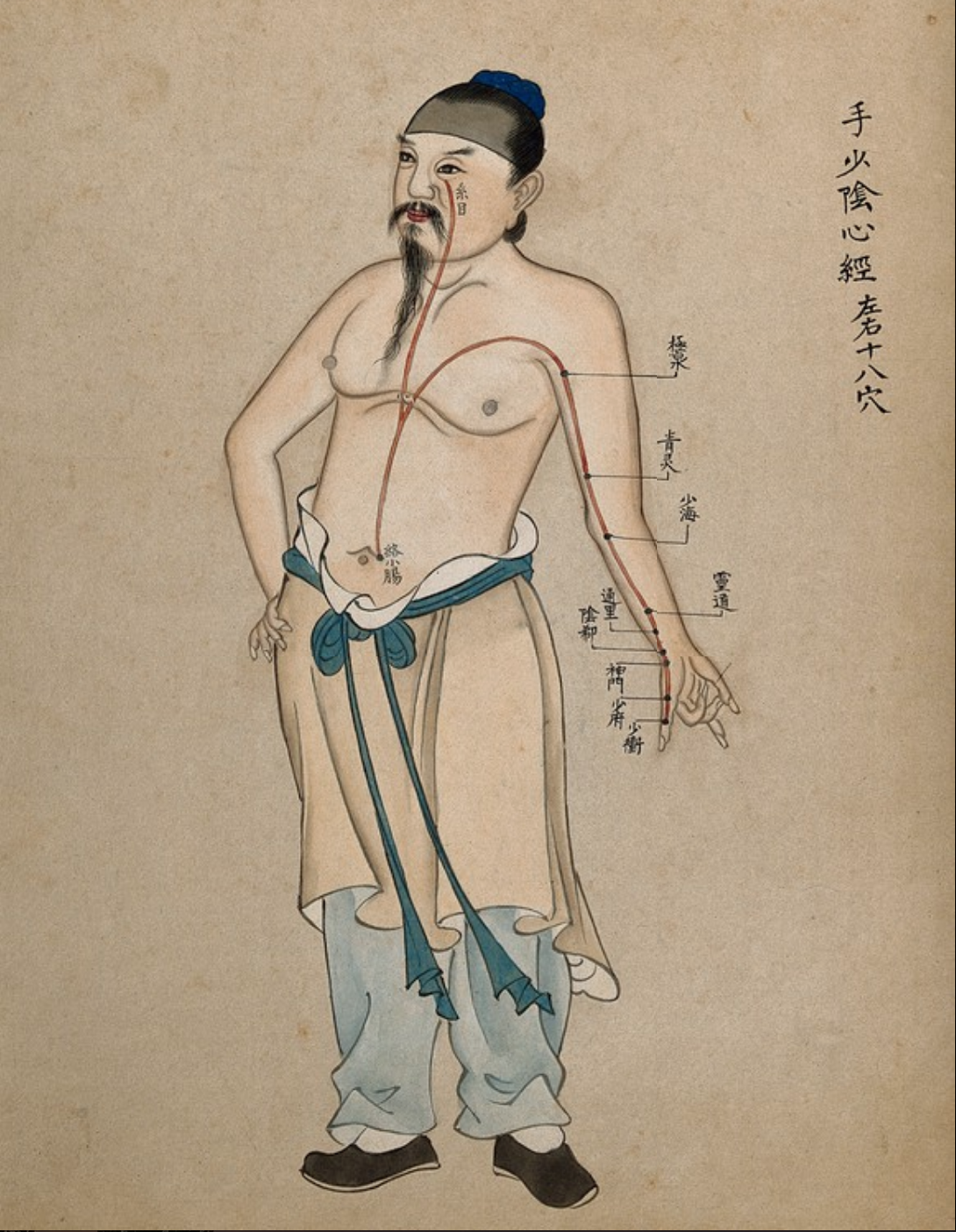
Acupuncture activates the circulation and free-flow of energy which flows around the body in river-like pathways called meridians. Free-flowing energies activate the organ and parts functions.
Acupuncture is a holistic medicine, the body and mind are treated as one. People present with a variety of signs and symptoms affecting any level; physical, mental-emotional and spiritual. The Doctor’s role is to reactivate the wholeness within
Clients are assessed through traditional diagnosis based on the Four Examinations which include: Observation of the body, tongue, facial expression and movement, Questioning and Case History, Palpation of the pulses, Looking-Listening for organ sounds, odours, colours and emotions.
In Ancient times the traditional healer was a shaman. They helped people connect to heartfelt awareness. Doctors educated people to course-correct their destiny by lifestyle adjustments. Cameron’s practice follows this age old tradition.

Yin-Yang
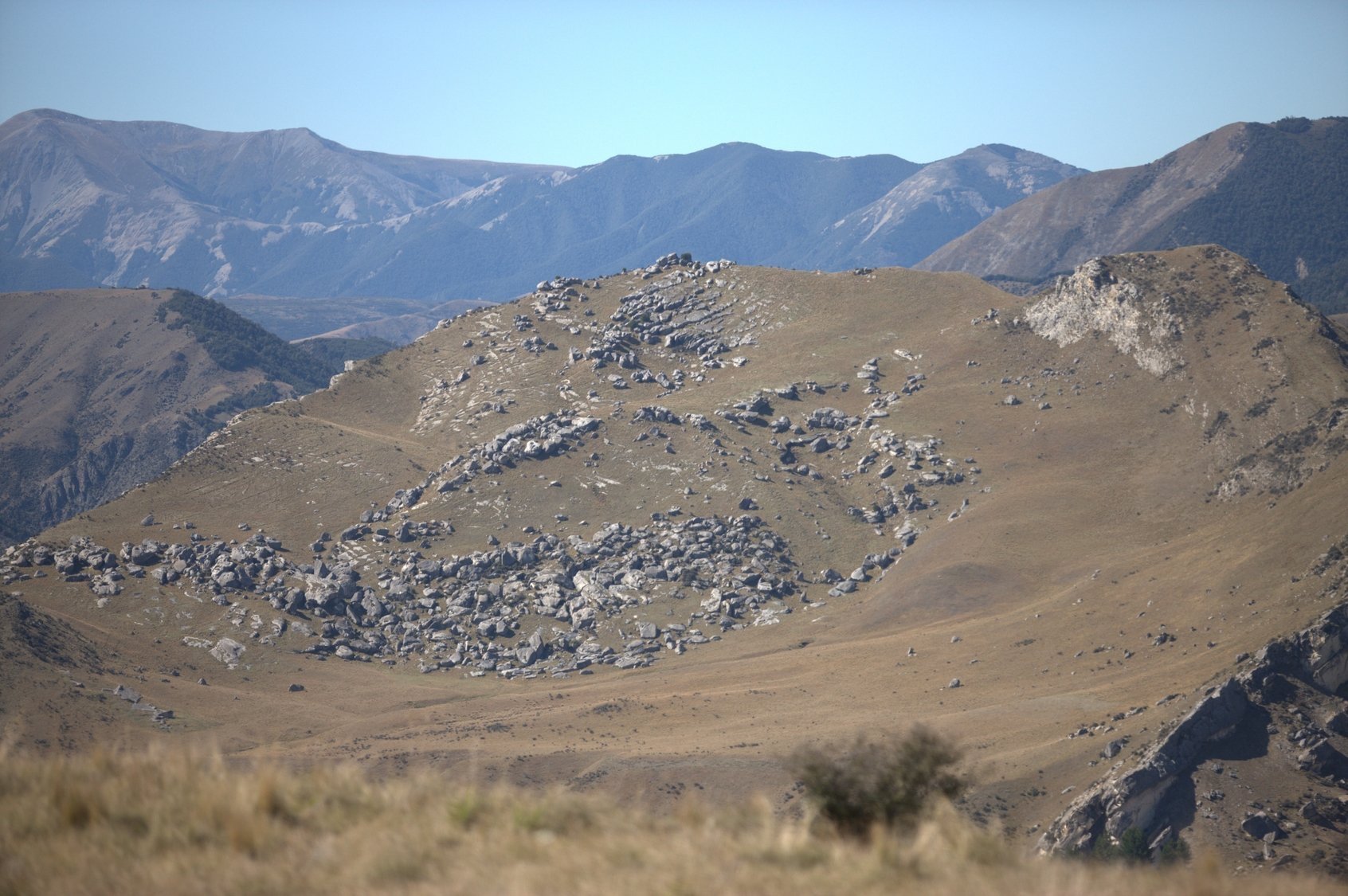
In the image above is a giant Yin-Yang symbol formed by the rocks and landscape. At first glance we can see random rocks scattered on a hillside. When we look closer there is an order inherent in the pattern. Following what feels most natural is the Taoist path to a peaceful life.
Yin-yang is part of Chinese medical philosophy and is used to explain the nature of change. The symbol itself expresses five principles of change. To maintain balance in life, it helps to be aware of the creative and controlling tensions of Yin-Yang as complementary opposites.
When Yang or Yin reaches a tipping point, it transforms to become the opposite. Our tipping points or Peaks of change are recognised as ‘life gates’. They can awaken us to deeper parts of ourselves and shift us into new ways of being. This can be unsettling especially if we are used to fixed agendas. Allow space and time for major changes in our lives. Slow down and TRUST the step you are in … the next steps appear when you are ready.
Navigating Change
Free-flowing with change nurtures our Souls evolution. Change helps remind us of who we truly are, and keeps us connected to the creative principle of life itself.
When we say Yes to change ,and choose to show up as co-creators of our lives, we nurture our destiny. Standing in our true self helps us find our way, and our people. It is a direct path to an authentic life.